Glow Medispa provides physician-led laser hair removal in Seattle using advanced medical-grade laser technology and clinically guided treatment planning. Every treatment is customized based on skin type, hair characteristics, and long-term goals, with safety and durability prioritized over one-size-fits-all protocols. Our Seattle clinic serves patients seeking effective hair reduction with fewer ingrown hairs, less irritation, and long-term skin smoothness compared to shaving or waxing.

Laser hair removal is only as effective as the clinical decisions behind it. At Glow Medispa, treatments are performed under medical oversight with a focus on proper patient selection, device settings, and realistic outcome planning.
What sets our Seattle practice apart:
• Physician-led protocols and clinical oversight
• Advanced laser technology chosen for safety across skin types
• Individualized treatment planning rather than preset packages
• Emphasis on long-term results and skin health
This approach allows us to safely treat a broader range of patients while minimizing complications such as irritation or pigment changes.

Laser hair removal targets pigment within the hair follicle during its active growth phase. Heat energy damages the follicle, reducing its ability to produce new hair over time. Because hair grows in cycles, multiple treatments are required to achieve meaningful reduction. Laser hair removal provides long-term reduction rather than permanent elimination of every follicle. Maintenance sessions may be recommended depending on hair type and hormonal factors. For a deeper understanding of why hormonal influences like PCOS and androgen imbalance can cause persistent facial hair, see our article on the causes of facial hair in women.
Laser hair removal at our Seattle clinic is commonly performed on:
• Face (upper lip, chin, jawline)
• Underarms
• Bikini line and Brazilian
• Legs (partial or full)
• Arms and forearms
• Chest, abdomen, back, and shoulders
Patients may choose to treat individual areas or create a comprehensive treatment plan covering multiple regions.
Facial hair growth, especially on the upper lip or chin, can sometimes be influenced by underlying conditions such as hirsutism, which we explain in detail here

The Clarity II is a high-performance, dual-wavelength platform (755nm Alexandrite and 1064nm Nd:YAG) designed for superior precision in hair removal and skin treatments. It features real-time temperature sensing and IntelliTrack™ technology to ensure every pulse is both safe and effective.
We value Clarity II for the clinical control it provides. Because no two patients share the same physiology, having dual wavelengths allows us to move beyond rigid protocols. We use our expertise to customize energy, pulse duration, and cooling based on your specific skin tone and hair density.
In practice, the Alexandrite wavelength offers efficient results for lighter skin with coarse hair. For patients with darker skin tones, the Nd:YAG provides deeper penetration, safely bypassing surface pigment to minimize risk. This flexibility ensures that every treatment is as safe as it is effective.
Consistency is another key advantage. Clarity II maintains predictable parameters throughout your multi-session plan, which is vital for safety and managing expectations. This reliability allows us to focus on your long-term results through medical-grade precision rather than a one-size-fits-all approach.
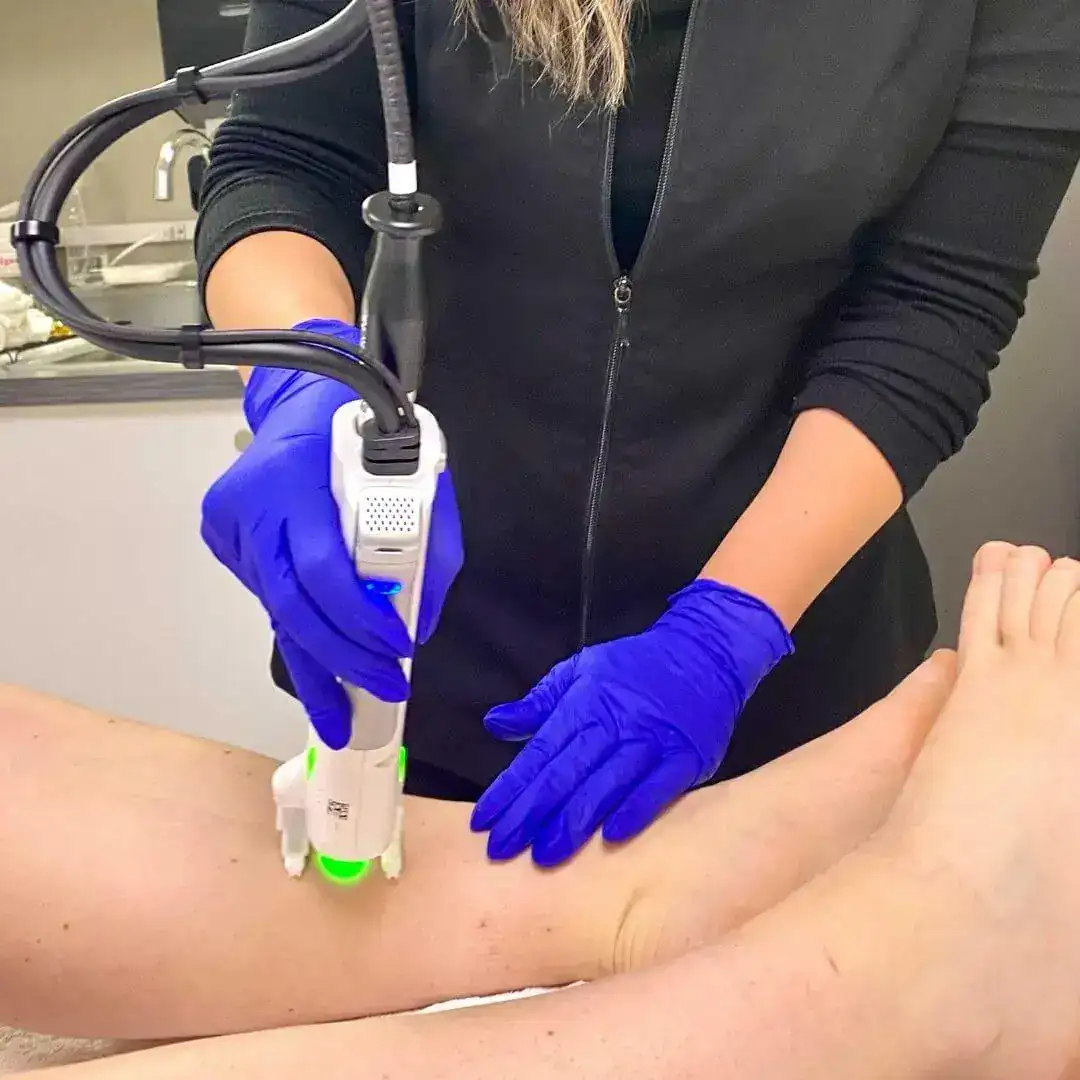
Each appointment begins with confirmation of candidacy and review of the treatment area. The skin is typically shaved beforehand, and the laser is applied in controlled pulses. Most patients describe the sensation as brief warmth or snapping, with cooling integrated to reduce discomfort.
Sessions are usually spaced several weeks apart to align with hair growth cycles. Treatment cadence and total session count vary by area and hair characteristics.

Laser hair removal can be safely performed on many skin types when appropriate wavelength selection and settings are used. Nd:YAG is often selected for darker skin types due to deeper penetration and reduced surface pigment absorption.
Medical assessment helps determine:
• Appropriate wavelength selection
• Energy levels and pulse duration
• Cooling requirements
• Contraindications or precautions
This individualized approach reduces the risk of hyperpigmentation, hypopigmentation, or irritation.
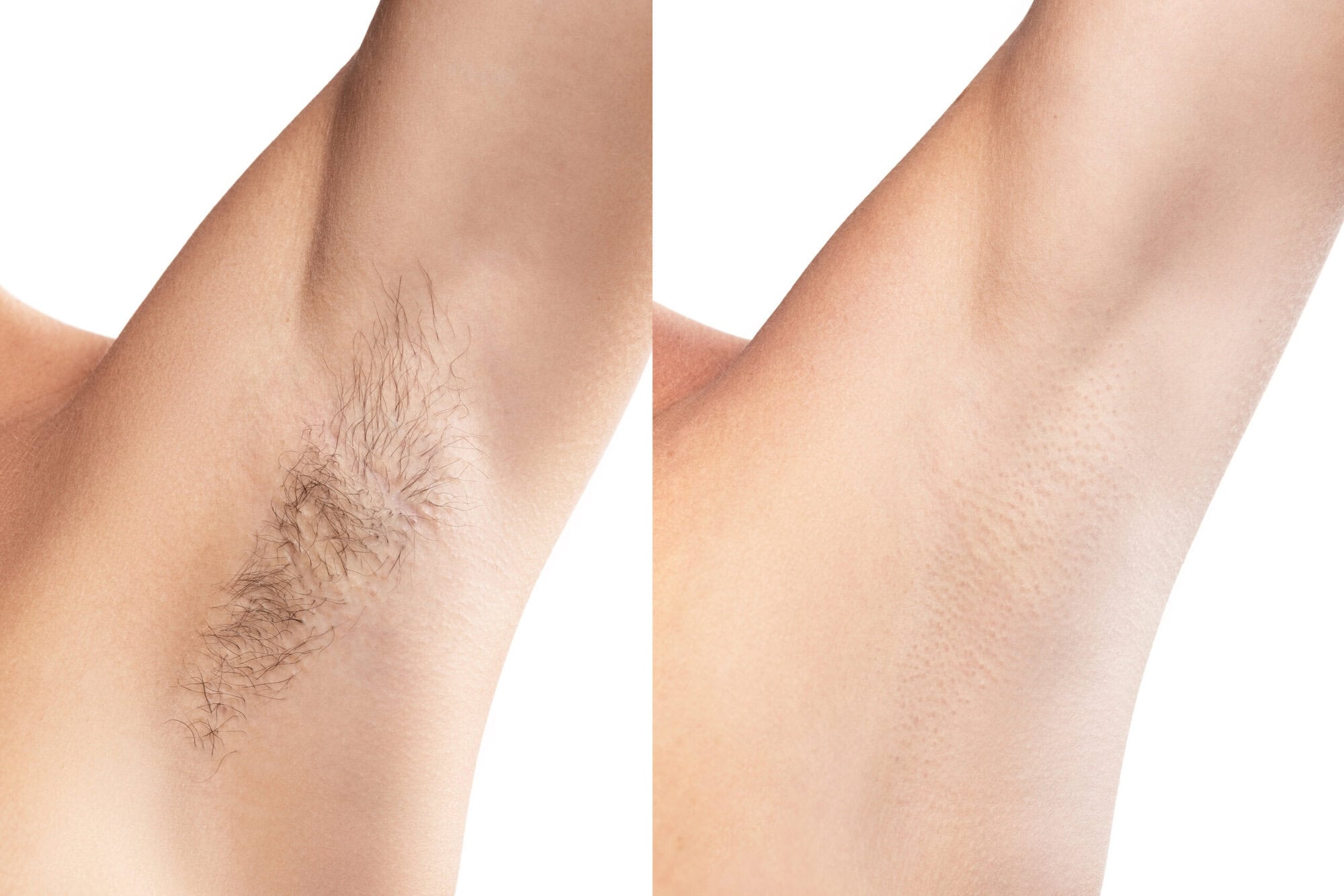
Most patients notice reduced hair density and slower regrowth after the first few sessions. Coarser, darker hair typically responds more quickly than fine or light hair. Laser hair removal is most effective when viewed as a treatment plan rather than a single session. Maintenance treatments may be scheduled annually or as needed to sustain results.